
AUSGO Journal
Vehicle guides, practical protection tips and the latest from AUSGO—helping you get more from your vehicle, every day.
Blog

The Ultimate DIY Guide: How to Clean Your Car Floor Mats at Home
Learn how to clean car floor mats at home with this easy DIY guide—whether you have rubber or cloth mats, keep your Toyota, Kia, or Isuzu interior fresh and spotless with simple household cleaning products
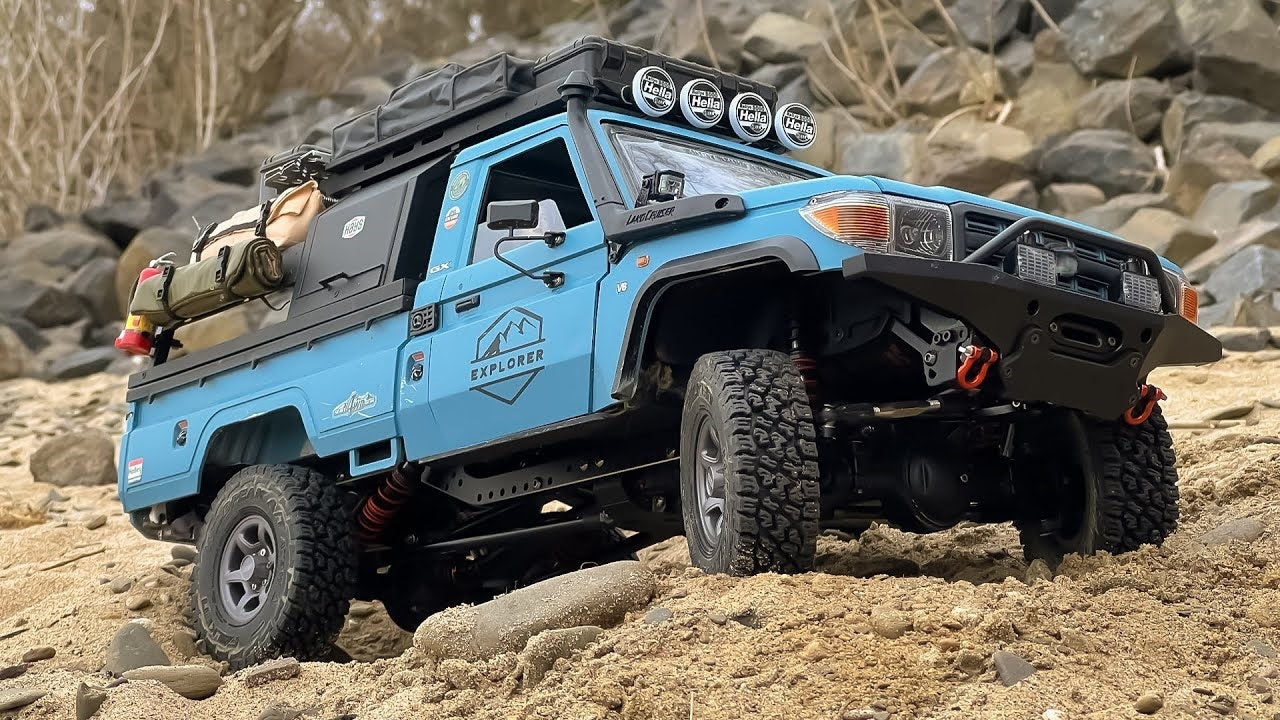
Ausgo MVP Spotlight: Toyota Land Cruiser 70 Series
Upgrade your Toyota Land Cruiser 70 Series with Ausgo’s premium aftermarket accessories, including bonnet protectors, 5D floor mats, and weather shields, for the ultimate 4WD off-road performance and adventure readiness.

Valentine’s Day on Wheels: Incorporating Your Car into Your Romantic Plans
Incorporating your car into your Valentine’s Day plans is the perfect way to create a cozy, romantic, and budget-friendly date night—whether it’s a scenic drive, stargazing adventure, or a drive-in movie experience.

Driving Habits You Need to Avoid
Driving is a daily activity for many people, but certain habits can compromise safety, increase vehicle wear and tear, and lead to costly repairs or accidents. To ensure a smooth and safe driving experience, here are some driving habits you should avoid. 1. Speeding and Aggressive DrivingExcessive speeding not only increases the risk of accidents but also reduces reaction time and fuel efficiency. The faster you drive, the less time you have to react to sudden changes in traffic conditions, such as a car braking in front of you or a pedestrian crossing unexpectedly. Additionally, high speeds make collisions more severe, increasing the likelihood of serious injuries or fatalities. Aggressive driving behaviors such as tailgating, sudden lane changes, and road rage create unnecessary risks. These actions can lead to unpredictable driving patterns that make the roads dangerous for everyone. Practicing patience and maintaining a safe speed can prevent unnecessary accidents and fines, ultimately ensuring a safer road environment. 2. Distracted DrivingUsing a mobile phone, eating, adjusting the radio, or even talking to passengers while driving can significantly reduce your focus on the road. Studies show that even a few seconds of distraction can result in a collision. For example, texting while driving takes your eyes off the road for an average of five seconds, which, at highway speeds, means covering the length of a football field blind. Distracted driving slows reaction time, increases the likelihood of missing traffic signals or hazards, and puts both the driver and others in danger. To minimize risk, always keep your attention on driving, use hands-free devices when necessary, and pull over safely if you need to attend to something urgent. 3. Not Using Turn SignalsFailing to signal when changing lanes or making turns confuses other drivers and increases the likelihood of accidents. Turn signals serve as a form of communication with other road users, indicating your intentions and allowing them to react accordingly. When drivers fail to use their signals, it can result in collisions, particularly at intersections or during lane changes on highways. Proper use of turn signals improves traffic flow, enhances safety, and reduces frustration among drivers. 4. Hard Braking and Sudden AccelerationFrequent hard braking and rapid acceleration not only put unnecessary stress on your vehicle's brakes and engine but also reduce fuel efficiency. Hard braking wears down brake pads faster, leading to more frequent replacements and higher maintenance costs. Sudden acceleration burns more fuel and causes excessive engine strain, reducing the overall lifespan of the vehicle. Smooth driving techniques, such as maintaining a steady speed and anticipating traffic patterns, help extend the longevity of your car and improve fuel consumption. 5. Driving with Low Tire PressureMany drivers neglect to check their tire pressure regularly, which can have serious consequences. Underinflated tires cause poor handling, increase fuel consumption, and can even lead to dangerous blowouts, especially at high speeds. Low tire pressure also leads to uneven tire wear, reducing their lifespan and necessitating premature replacements. Checking your tire pressure at least once a month and before long trips ensures optimal vehicle performance and safety. 6. Ignoring Traffic Signs and SignalsRunning red lights, ignoring stop signs, and failing to yield can lead to severe accidents. Traffic signs and signals are designed to regulate the flow of traffic and ensure the safety of all road users. Disregarding them not only endangers the driver but also pedestrians and other motorists. For example, running a red light at an intersection can result in a devastating T-bone collision. Following traffic laws not only prevents accidents but also avoids costly fines and legal consequences. 7. Overloading Your VehicleCarrying excessive weight affects your vehicle's performance, fuel efficiency, and braking capability. Overloading can strain the suspension system, increase tire wear, and reduce maneuverability, making it harder to control the vehicle in emergency situations. It can also increase stopping distances, raising the risk of rear-end collisions. Always check your car’s load capacity, distribute weight evenly, and avoid carrying unnecessary items to maintain optimal performance and safety. 8. Driving While FatiguedDrowsy driving is just as dangerous as drunk driving. Fatigue slows reaction time, impairs judgment, and reduces overall awareness. Studies have shown that drivers who operate a vehicle after being awake for 18 hours perform similarly to those with a blood alcohol concentration (BAC) of 0.05%. If you feel tired, take a break, drink some water, or switch drivers to ensure a safe journey. Avoid driving long distances without adequate rest and make use of rest stops whenever necessary.9. Riding the Brakes DownhillMany drivers tend to keep their foot on the brake pedal when driving downhill, which causes brake pads to overheat and wear out quickly. Overheated brakes can lead to brake failure, making it difficult to slow down or stop the vehicle when needed. Instead, shift to a lower gear and use engine braking to control speed. This reduces reliance on the brake system, improves vehicle control, and extends the lifespan of brake components. 10. Ignoring Regular MaintenanceSkipping routine maintenance such as oil changes, brake inspections, and tire rotations can lead to major mechanical issues. Neglecting maintenance results in reduced engine efficiency, increased fuel consumption, and unexpected breakdowns that could leave you stranded. Regular servicing ensures that your vehicle remains in top condition, preventing costly repairs and improving overall safety. ConclusionAvoiding these bad driving habits can enhance safety, extend your vehicle's lifespan, and reduce maintenance costs. By adopting responsible driving practices, you contribute to a safer and more efficient driving environment for everyone on the road. Taking small steps to improve your driving behavior can make a significant difference in road safety and vehicle longevity.
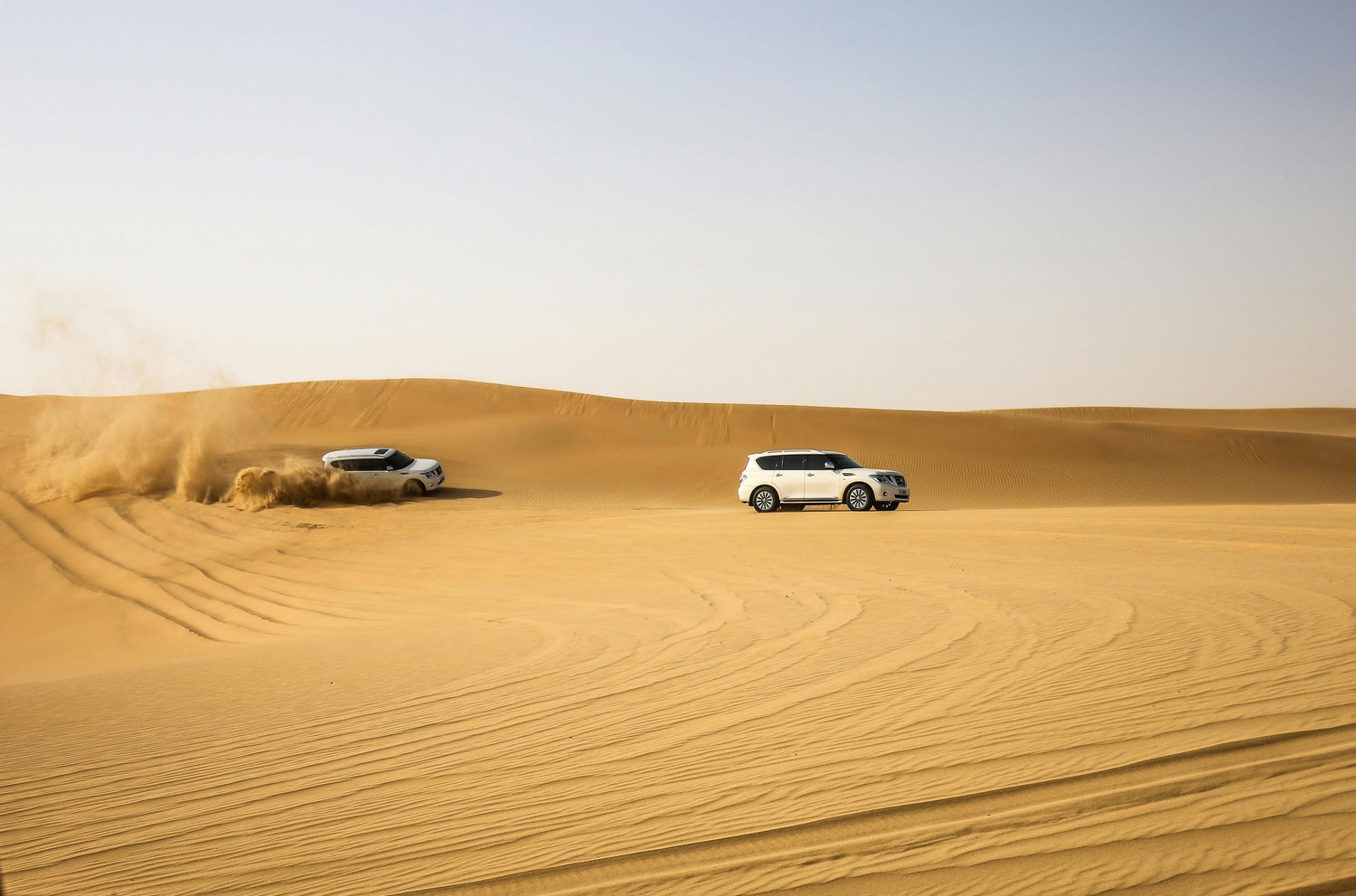
Before You Hit the Road: FAQs on Off-Roading Safety & Gear
Gear up for your next off-road adventure with essential 4x4 accessories, recovery gear, and emergency must-haves to ensure safety, reliability, and peak performance on rugged Australian terrains.

Why Ausgo Roof Racks Are the Ultimate Off-Road Essential
Upgrade your adventure with a durable and secure SUV roof rack for bicycles, designed to maximize storage and safely transport your gear on any terrain
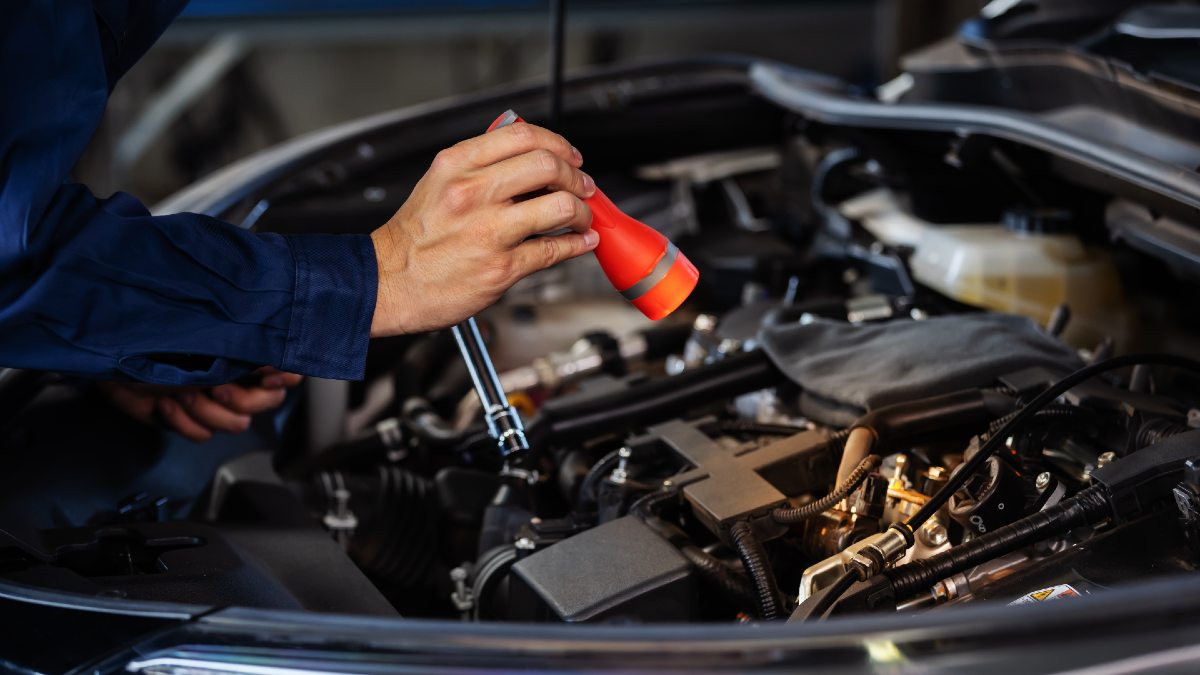
6 Car Fluids You Need to Check Regularly
Your car is more than just a machine; it’s a combination of complex systems working in harmony to ensure a smooth and safe driving experience. Central to these systems are the various fluids that help your vehicle function optimally. Regularly checking and maintaining these fluids is vital not only for the longevity of your car but also for your safety and performance on the road.In this article, we’ll delve into the six essential car fluids you need to monitor regularly, why they are crucial, and how to check and maintain them effectively. 1. Engine OiPurpose:Engine oil lubricates the internal components of your car’s engine, reducing friction and wear. It also helps in cooling the engine and removing impurities.Why It Matters:Without sufficient and clean engine oil, the moving parts in your engine could overheat and grind against each other, leading to severe damage.How to Check: Step 1: Park your car on a flat surface and let the engine cool. Step 2: Locate the dipstick, usually marked with a yellow or orange handle. Step 3: Pull out the dipstick, wipe it clean with a cloth, reinsert it, and pull it out again. Step 4: Check the oil level and color. The oil should be between the “min” and “max” markers and have a clear amber color. Maintenance Tips:Change your engine oil as per your vehicle’s owner’s manual, typically every 5,000 to 10,000 kilometers or six months. 2. Coolant/AntifreezePurpose:Coolant, also known as antifreeze, regulates the temperature of your engine, preventing it from overheating or freezing in extreme weather.Why It Matters:Insufficient or degraded coolant can lead to engine overheating, which can cause expensive damage like a blown gasket or warped cylinder head.How to Check: Step 1: Ensure the engine is cool before opening the radiator cap. Step 2: Look at the coolant reservoir; it should have clear markings for “min” and “max” levels. Step 3: Check the fluid color. It should be bright green, yellow, or orange (depending on the type) and free from debris. Maintenance Tips:Flush and refill the coolant system every 30,000 to 50,000 kilometers or as recommended by the manufacturer. 3. Brake FluidPurpose:Brake fluid is a hydraulic fluid that transmits force from your brake pedal to the brake calipers, enabling your car to stop effectively.Why It Matters:Low or contaminated brake fluid can compromise your vehicle’s stopping power, increasing the risk of accidents.How to Check: Step 1: Locate the brake fluid reservoir, usually on the driver’s side near the firewall. Step 2: Check the fluid level through the transparent reservoir. It should be within the indicated range. Step 3: Inspect the fluid color; it should be light yellow. Dark or dirty fluid needs to be replaced. Maintenance Tips:Brake fluid absorbs moisture over time, so it’s recommended to replace it every two years or 40,000 kilometers. 4. Transmission Fluid Purpose:Transmission fluid lubricates and cools the components in your vehicle’s transmission system, ensuring smooth gear shifts.Why It Matters:Low or degraded transmission fluid can lead to rough gear changes, overheating, and transmission failure.How to Check: Step 1: Start your car and let it warm up. Step 2: Locate the transmission dipstick (check your owner’s manual if unsure). Step 3: Pull out the dipstick, wipe it clean, reinsert it, and then check the fluid level and color. Step 4: The fluid should be pinkish or reddish and free from any burnt smell or debris. Maintenance Tips:Follow your manufacturer’s recommendations for transmission fluid changes, typically between 50,000 and 100,000 kilometers. 5. Power Steering Fluid Purpose:Power steering fluid ensures the smooth operation of your vehicle’s steering system, making it easier to maneuver.Why It Matters:Low or dirty power steering fluid can cause difficulty in steering, leading to unsafe driving conditions.How to Check: Step 1: Locate the power steering reservoir under the hood. Step 2: Check the fluid level against the “min” and “max” markers on the reservoir. Step 3: Inspect the fluid color; it should be clear or light amber. Dark or dirty fluid indicates it needs replacing. Maintenance Tips:Top up the power steering fluid as needed and flush the system every 50,000 kilometers. 6. Windshield Washer Fluid Purpose:Windshield washer fluid helps keep your windshield clean and clear, ensuring proper visibility. Why It Matters:Driving with a dirty windshield can impair your vision, especially during adverse weather conditions.How to Check: Step 1: Locate the washer fluid reservoir, usually marked with a windshield symbol. Step 2: Open the cap and visually inspect the fluid level. Step 3: Refill with a washer fluid solution if it’s low. Maintenance Tips:Use a washer fluid that contains anti-freeze during colder months to prevent freezing. Bonus Tip: Keep an Emergency Fluid KitHaving an emergency kit with essential fluids like engine oil, coolant, and washer fluid can save you from unexpected breakdowns. Final ThoughtsRegularly checking and maintaining these six fluids is essential for your car’s performance, safety, and longevity. Set a reminder to inspect them monthly and adhere to your vehicle’s maintenance schedule. If you’re unsure or uncomfortable performing these checks, consult a professional mechanic. By taking these simple steps, you can avoid costly repairs and enjoy a smooth driving experience for years to come.
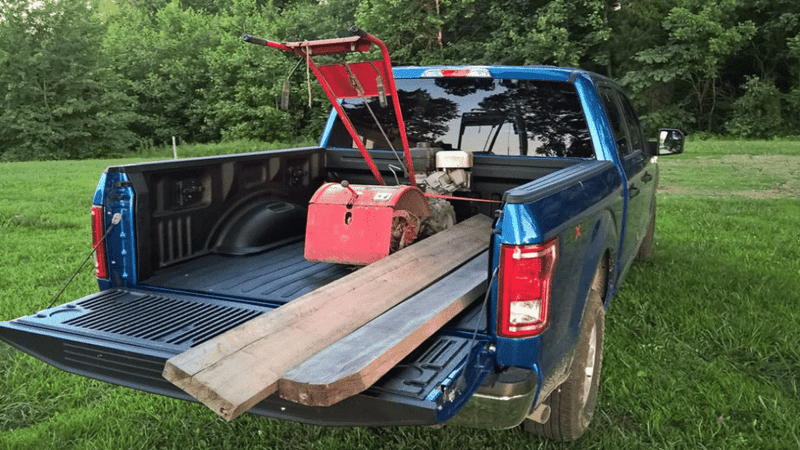
Ute Mat: The most practical auto accessories for pickup truck owners
Pickup trucks like the Ford Ranger and Toyota Hilux offer excellent cargo space, but protecting the truck bed is essential. A ute mat safeguards against scratches, dents, and shifting cargo, ensuring both the truck and its load remain secure.AUSGO 4x4 Accessories offers top-quality ute mats designed for durability, functionality, and easy installation.
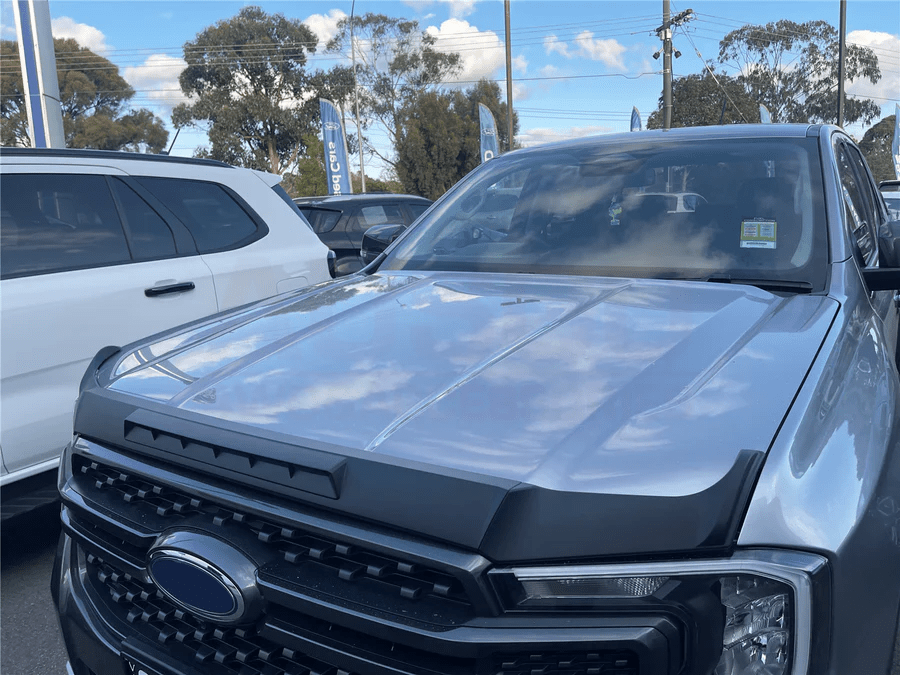
Shield Your Car: Install an Ausgo Bonnet Protector
Learn how to install an Ausgo bonnet protector in minutes with this step-by-step guide, and protect your car's bonnet from chips, scratches, and debris while adding a sleek, stylish touch to your vehicle.
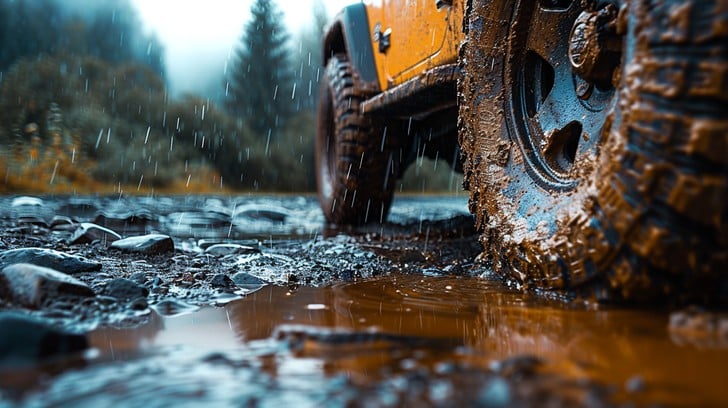
How to Clean Your Ride After Hitting the Mud ?
Mud-covered adventures are a badge of honor for off-road enthusiasts, but once the fun is over, the cleanup begins. Whether you’ve tackled a swampy trail, a muddy back road, or a rain-soaked adventure, your vehicle will need some TLC to stay in top shape. Cleaning up after a muddy escapade is no small task, but with the right approach, you can save your ride from long-term damage while keeping it ready for the next adventure. Read on for our step-by-step advice on dealing with post-mud messes like a pro! 1. Rinse Before It DriesMud hardens faster than you’d think, especially under the hot Aussie sun. Once it sets, removing it becomes ten times harder.As soon as you’re done with your off-road excursion, find a spot to rinse off the majority of the mud. A garden hose or a pressure washer will do the trick. Start with the underside of the vehicle—this is where the mud loves to hide and wreak havoc.Remember: Avoid letting dried mud sit on your vehicle for days, as it can trap moisture and lead to rust or paint damage. 2. Start from the Top DownWhen you’re ready for a proper wash, always clean from the top down. This prevents dirty water from streaking back over the areas you’ve already cleaned.Use a soft sponge or microfiber mitt and a bucket of soapy water to gently scrub the mud away. For those stubborn, caked-on bits, a soft-bristle brush can help. Just be cautious around painted surfaces to avoid scratches.Pay special attention to wheel wells, bumpers, and the undercarriage—mud tends to accumulate in these spots and hide in crevices. 3. Don’t Forget the InteriorIf you braved the muddy tracks with your windows down or boots full of dirt, your interior might be in need of just as much care as the exterior. Start by removing floor mats and giving them a good shake or hose down. A high-quality set of floor liners, like Bedrock Liners, will save you time and hassle here. These are designed to trap mud and are super easy to clean.Vacuum the carpets and upholstery to remove any loose dirt. If your seats got muddy, spot-clean them with an appropriate fabric or leather cleaner to prevent stains. 4. Give the Undercarriage Extra AttentionMud isn’t just dirty—it can be destructive. When left unchecked, it can pack into your suspension, brakes, and other critical parts of the undercarriage, leading to long-term damage.Use a pressure washer to blast away mud from the underbody, paying close attention to areas like axles, skid plates, and exhaust pipes. If you don’t have access to a pressure washer, your local car wash will often have an undercarriage cleaning option. 5. Finish with a Protective LayerOnce your ride is sparkling clean, take a little extra time to protect it from future adventures. Applying a layer of wax to your vehicle’s exterior will make it harder for mud to stick next time.For the interior, consider applying a fabric or leather protector to your seats and a rubber protectant spray for your floor liners. This will make cleaning up after your next muddy adventure even easier. Prepare for the Next AdventureCleaning up after hitting the mud can feel like a chore, but it’s a necessary step to keep your vehicle looking great and running smoothly. If you want to make the process even easier next time, invest in high-quality interior accessories like AUSGO Floor Mats and Cargo Mats. AUSGO Floor Mats are designed with durability and practicality in mind. Made from high-density, waterproof, and odorless TPE material, these mats provide excellent protection against mud, water, and debris. Their non-slip textured surface, factory-patterned grip, and drainage features ensure your vehicle's interior stays clean and safe. Plus, with 3D raised edges and one-piece drop-in installation, they’re incredibly easy to clean and maintain. For the rear cargo area, AUSGO Cargo Mats offer similar high-performance protection, with a tailored fit that prevents spills and mud from damaging your vehicle’s interior. Whether you're hauling gear, wet boots, or muddy equipment, these mats ensure your cargo space remains spotless and easy to clean after every adventure. With these accessories, your vehicle will be better prepared for future muddy escapades, and cleanup will be quicker and more efficient. So, gear up with AUSGO, hit the tracks, and let the mud fly—you’ve got the ultimate protection covered. Happy adventuring!
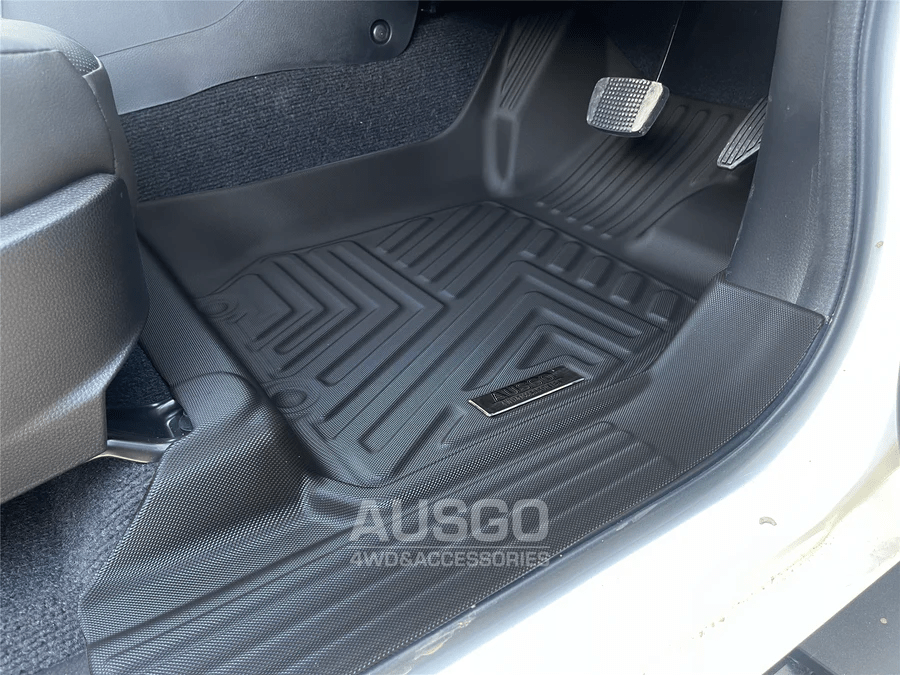
5 Reasons Why 5D Floor Mats Are the Best Fit for Your Car
Protect your vehicle’s interior with 5D floor mats, designed for a perfect fit, maximum durability, and all-weather protection. Ausgo’s 5D mats offer advanced coverage, stylish design, and effortless maintenance—perfect for upgrading your car’s aesthetics and resale value

Why Door Sill Protectors Are Essential
Door sill protectors are essential for safeguarding your vehicle from scuffs, scratches, and everyday wear, especially in high-traffic areas. Ausgo’s high-quality protectors not only offer durability but also add a sleek, stylish touch to your vehicle, making them a practical and aesthetic upgrade for any 4WD enthusiast.


